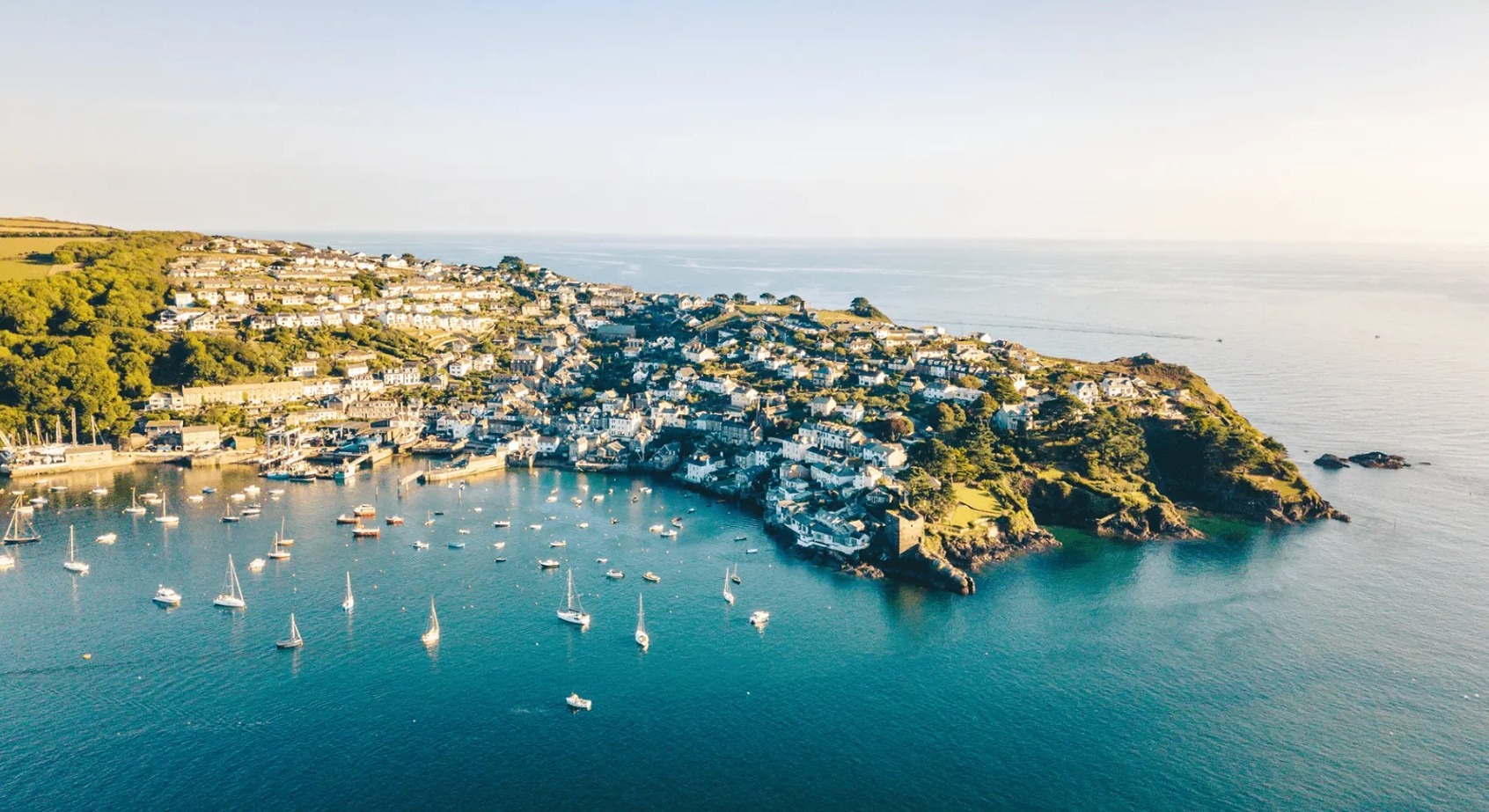
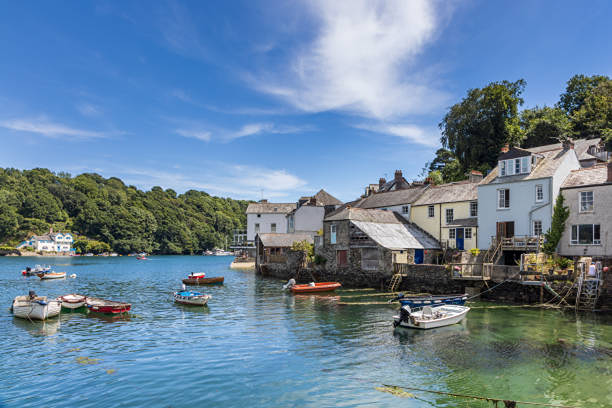
Nestled within an Area of Outstanding Natural Beauty, Fowey lies on the west bank of a sheltered estuary, where the Fowey River meets the sea.
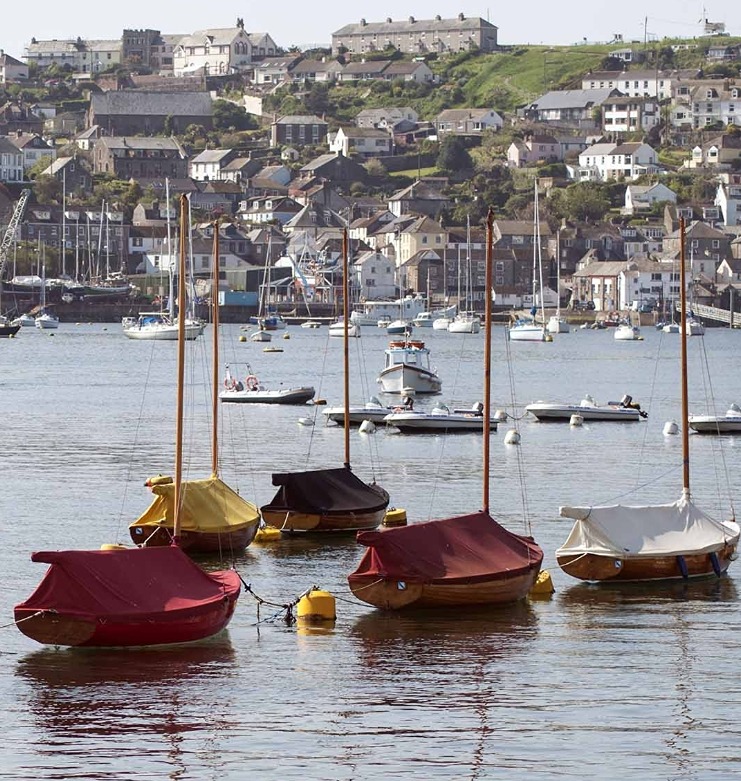
Sailboats gracefully navigate the shimmering waters as seagulls call out across the sky, adding to the peaceful coastal ambience.
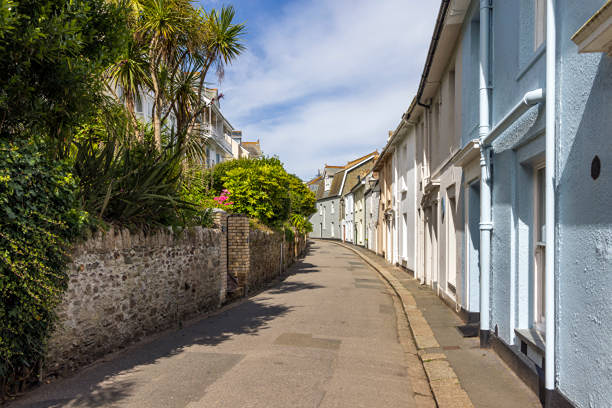
Situated on the banks of a deep river, the picturesque town of Fowey is steeped in history. Its origins date back to medieval times, with narrow streets now graced by elegant buildings that gently slope down toward the waterfront.
Fowey’s naturally deep harbour and calm waters made it a vital trading port over the centuries, especially for tin, copper, and China clay - an export that continues today.
Nestled within the South Coast the town is surrounded by farmland, rugged coastline, and beautiful beaches. Meandering river creeks weave through ancient oak woods, offering wonderful opportunities for exploration. Recognised as a prime sailing destination, Fowey welcomes vessels ranging from yachts to cruise ships.
The annual Fowey Regatta draws both sailors and spectators to celebrate the town’s maritime heritage.
The town honours its literary ties through the Festival of Art & Literature, celebrating authors such as Daphne du Maurier, Kenneth Grahame and Rosamunde Pilcher, who drew inspiration from this stunning region.
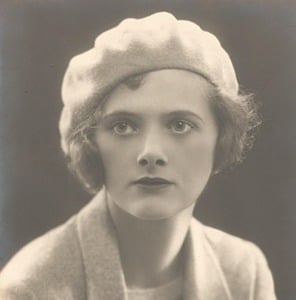
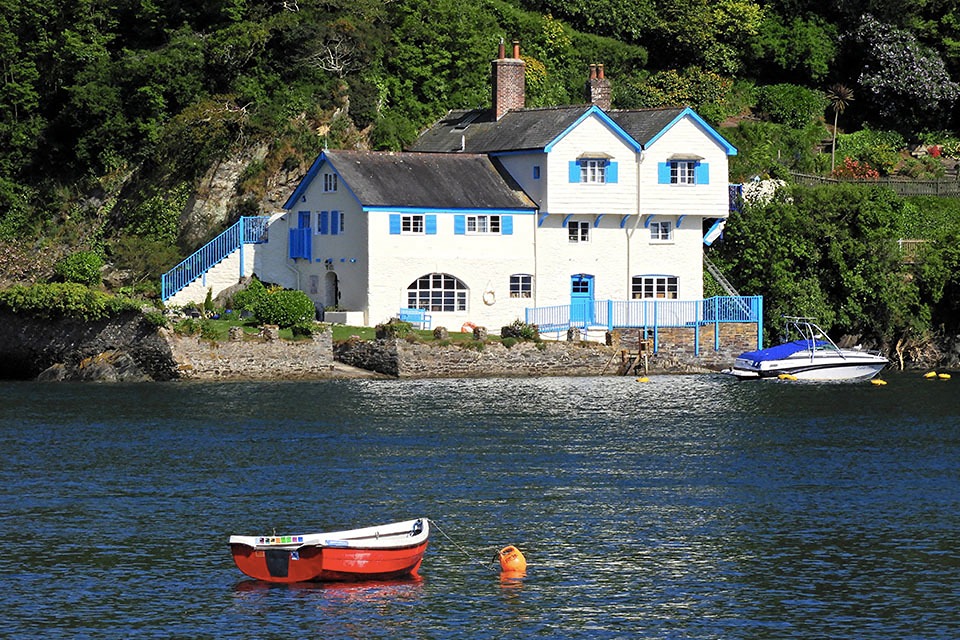
Daphne du Maurier’s deep connection to Fowey is woven into the town’s very fabric. Her family first made Cornwall their home in 1926, settling at Ferryside in Bodinnick, just across the river from Fowey. It was here that Daphne penned her debut novel, The Loving Spirit. During World War II, she lived in Fowey and also rented Menabilly, the historic estate that inspired Manderley in Rebecca. Today, Fowey celebrates her legacy with an annual festival dedicated to the town’s rich literary heritage and the inspiration it has provided to writers for generations.
“Here was the freedom I desired,” she said. “Freedom to write, to walk, to wander, freedom to climb hills, to pull a boat, to be alone.”
-Daphne du Maurier
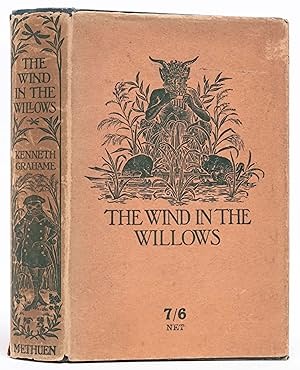
“the little grey sea town that clings along one steep side of the harbour. ”
Kenneth Grahame - The Wind in the Willows
The phrase “the little grey sea town that clings along one steep side of the harbour” is attributed to Kenneth Grahame in his classic children’s book The Wind in the Willows. This description is believed to reflect his impressions of the town of Fowey, where he spent time and which inspired some of the scenes in the book.
The specific depiction appears in the chapter titled "Wayfarers All," where the character Rat provides a rapturous description of a town reminiscent of Fowey’s charming harbour setting
The poet Robert Bridges described Fowey as “the most poetic-looking place in England”
Historically, a pair of blockhouses protected the harbour. Located in Fowey and Polruan, these four-story towers were connected by a chain that could be raised to prevent attacks. The Polruan blockhouse remains accessible, while only ruins can be seen on the Fowey side.
Fowey itself, on the estuary's western bank, is a charming town surrounded by significant historical buildings, including Place House, which has been the residence of the Treffry family since the 15th century.
Below the castle lies Readymoney Cove, a family-friendly beach with rock pools, sand for castle-building, and a café to enjoy an ice cream. The cove is a safe swimming spot in the summer, as it is cordoned off and free from boat traffic.
Fun fact:Fowey earned royal favour during the Hundred Years' War thanks to its crucial support in the Siege of Calais and the Battle of Agincourt. The town became a hub for privateers—privately owned vessels licensed to seize French ships in the Channel and Western Approaches. This lucrative enterprise led to the rise of the infamous Fowey Gallants, a bold group of privateers and pirates who made the town their stronghold.
Getting here
Fowey is well connected by local rail and bus services, making it easy to reach. The closest train station is Par, which lies on the mainline to London Paddington. From Par, a quick bus or taxi trip will bring you into town. If travelling by car, follow the M5 motorway and exit onto the A30 at Bodmin, enjoying a picturesque drive into Fowey. While having a vehicle can be handy for exploring nearby sights, it’s not necessary to get around within Fowey itself. For train times, check Great Western Railway, and for bus information, refer to Transport for Cornwall.